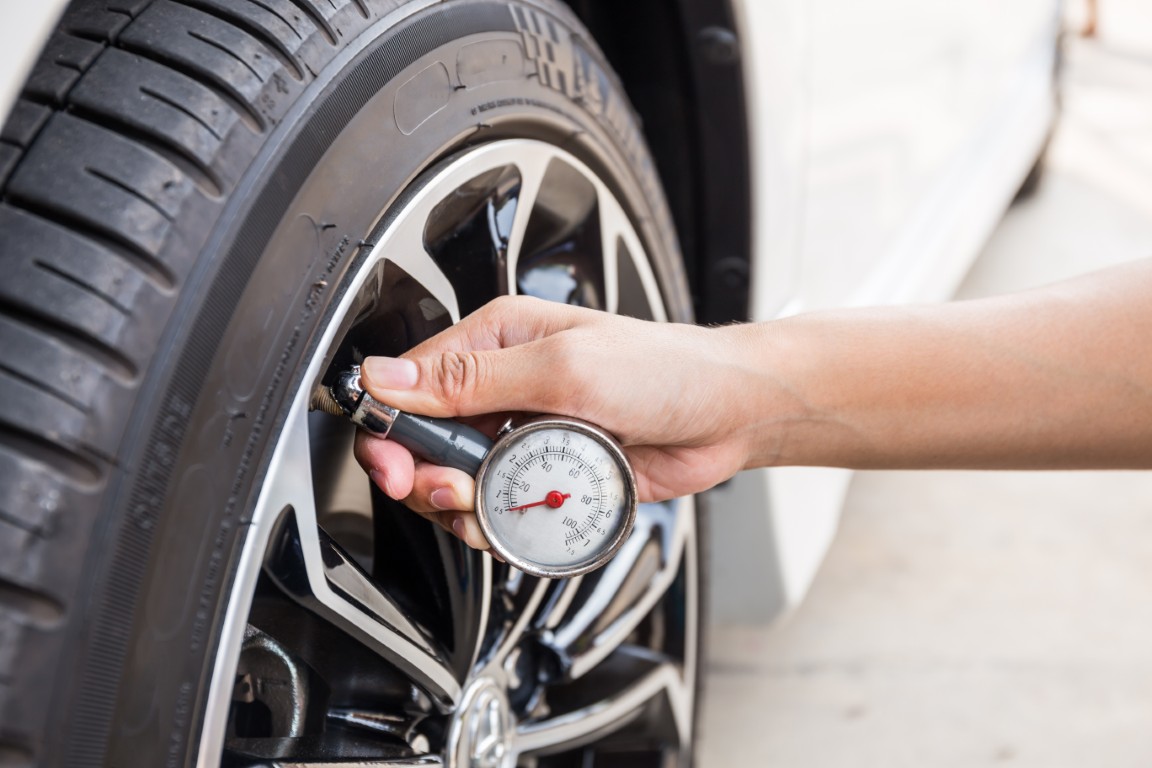
Why Your Tire Pressure Light Comes On Every Fall
Air contracts as it cools, so the first genuinely cold morning sets off tire pressure warnings all over Middle Tennessee. Sometimes that is all it is, and sometimes it is not.
Air contracts as it cools, so the first genuinely cold morning sets off tire pressure warnings all over Middle Tennessee. Sometimes that is all it is, and sometimes it is not.
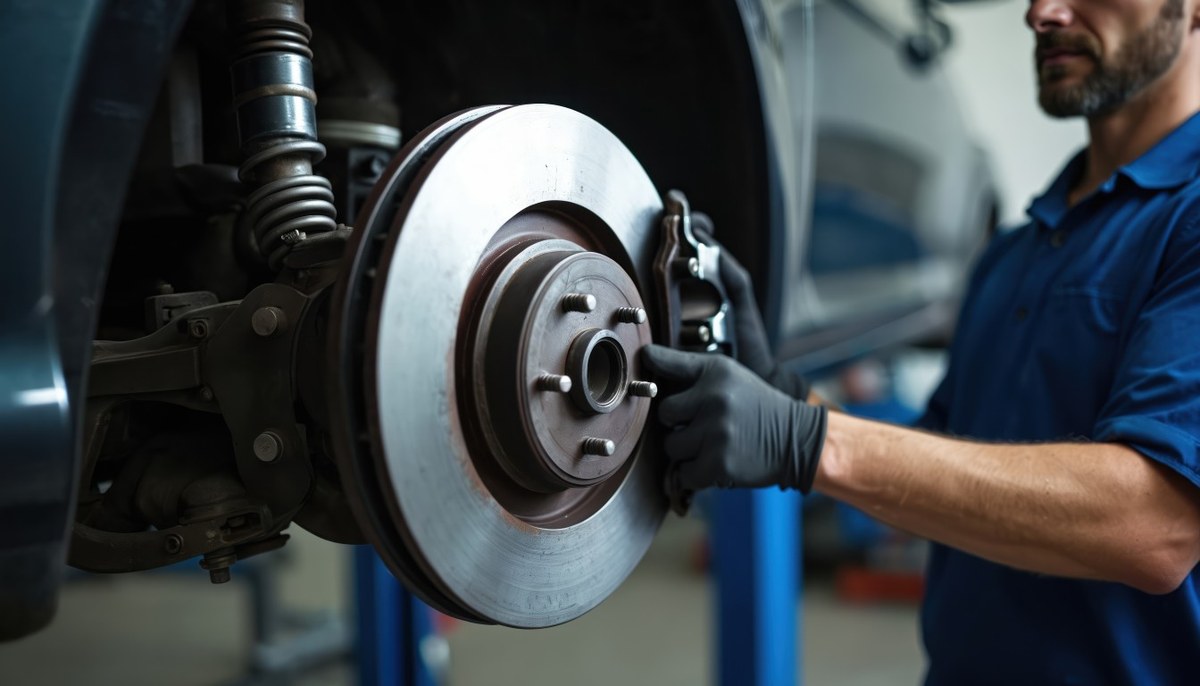
Dry summer pavement hides worn brakes. Wet leaves, morning fog, and darker commutes take that cushion away, and stopping distance starts to matter again.
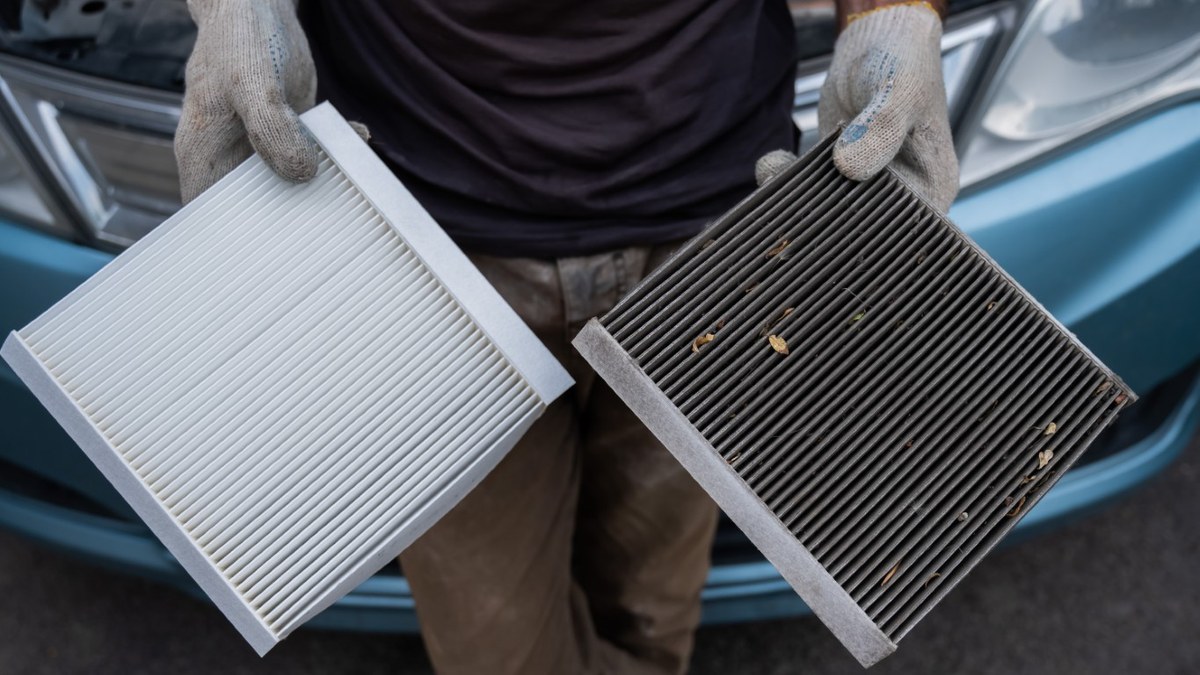
The cabin air filter is one of the cheapest parts on your car and one of the least replaced. A clogged one shows up as weak airflow and windows that will not clear.
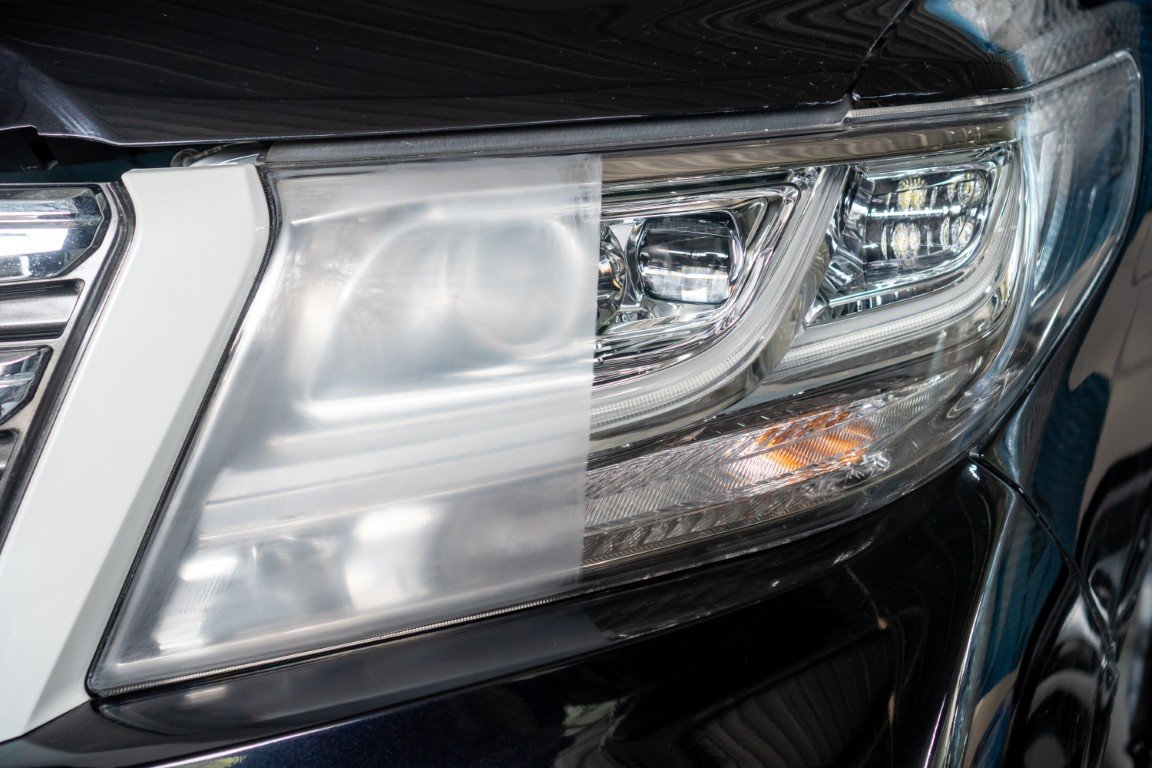
Cloudy lenses scatter and block your light, cutting nighttime visibility significantly. Restoration usually beats replacement on cost.
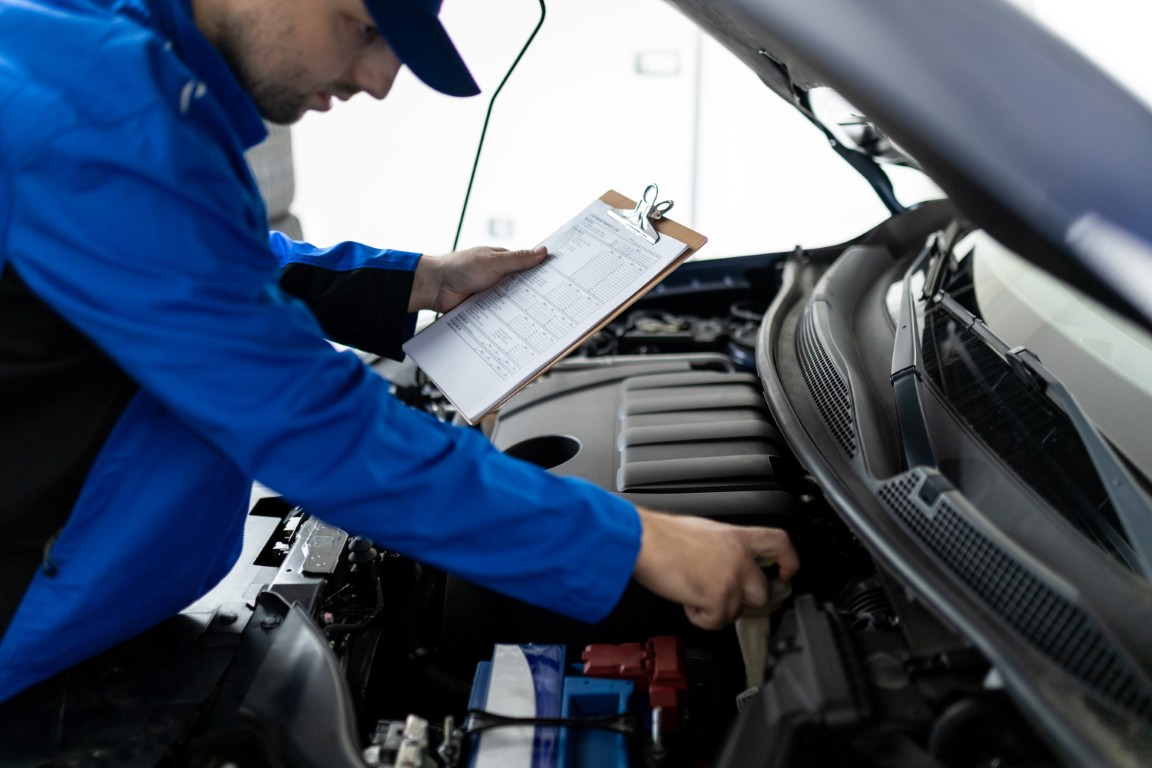
Leaf season and Thanksgiving put more miles on a car in one weekend than two normal weeks of commuting, in weather that is far less forgiving.
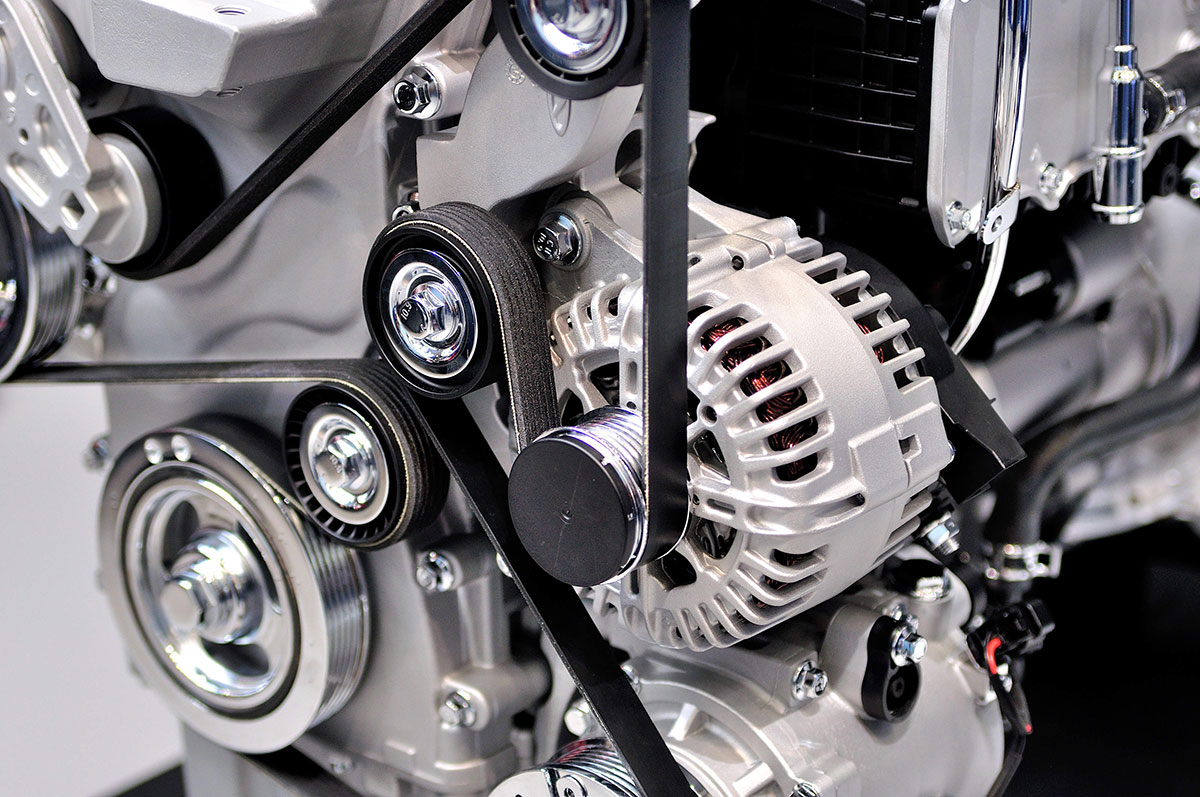
A serpentine belt costs a fraction of what it takes down with it when it goes. Summer heat ages the rubber, and the failure usually arrives on a cold morning.
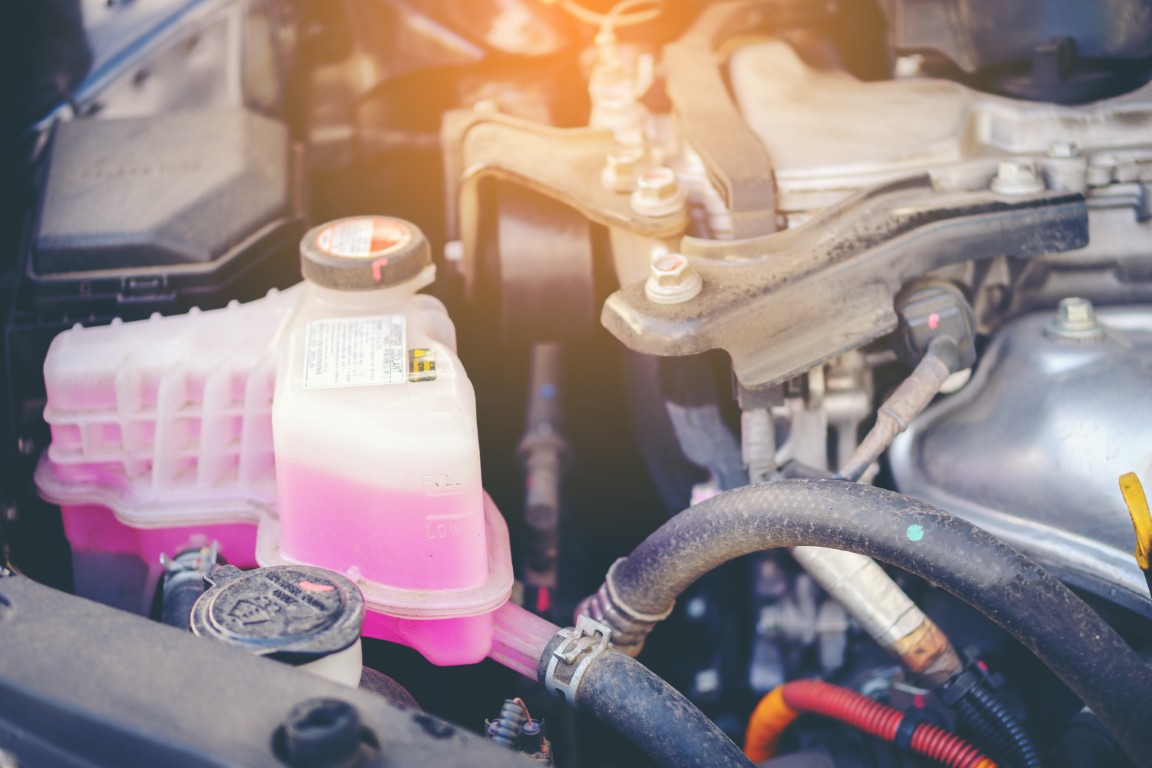
Coolant carries heat away from the engine in summer and keeps it from freezing in winter. It is one fluid doing both jobs, and both fail at the same time.
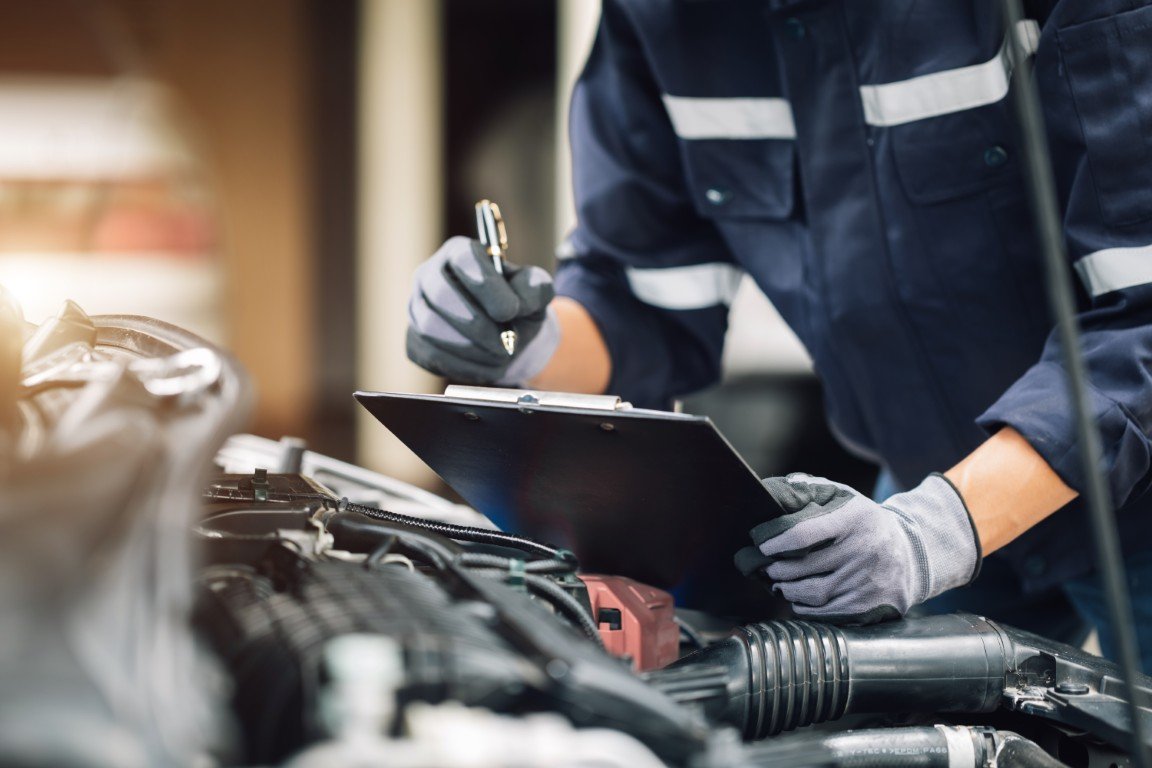
A well-cared-for vehicle can easily pass two hundred thousand miles. The key is maintenance tailored to what an older car actually needs.
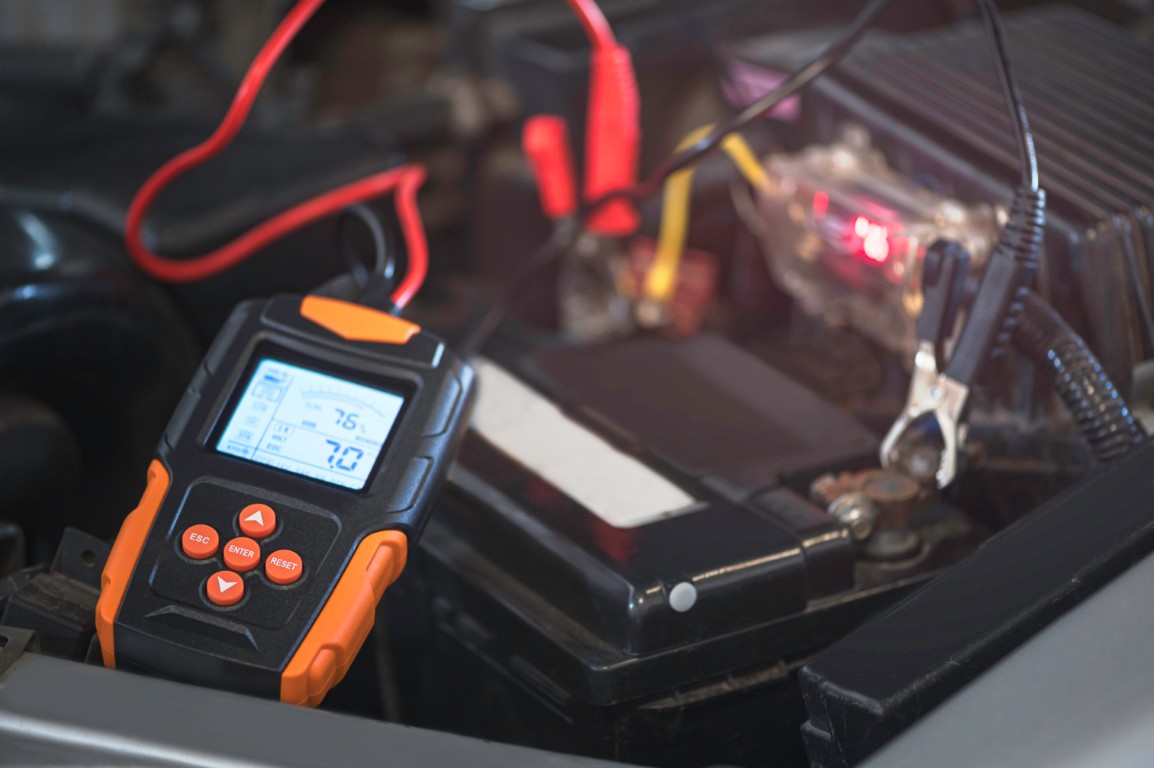
Heat is what wears a battery out. Cold weather only exposes damage that summer already did, which is why fall is the time to test it.
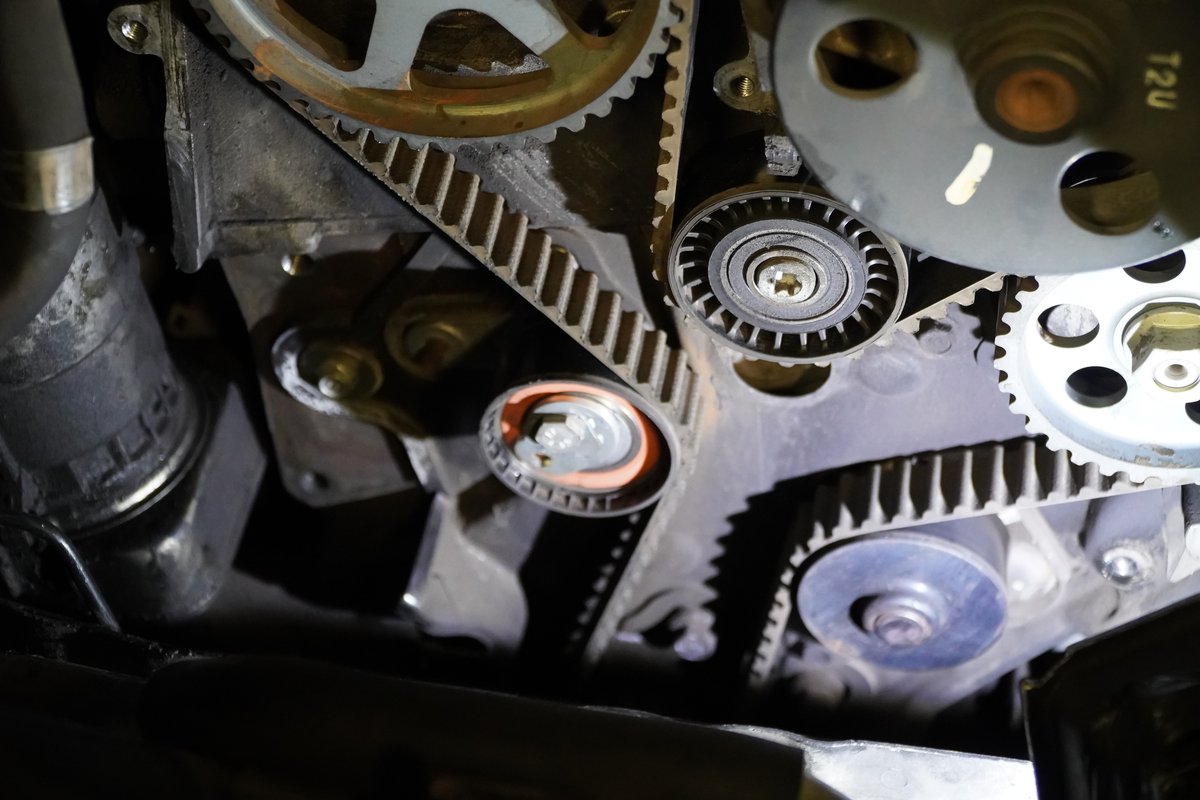
A timing belt usually gives little to no warning before it fails, and in many engines a failure means severe internal damage.