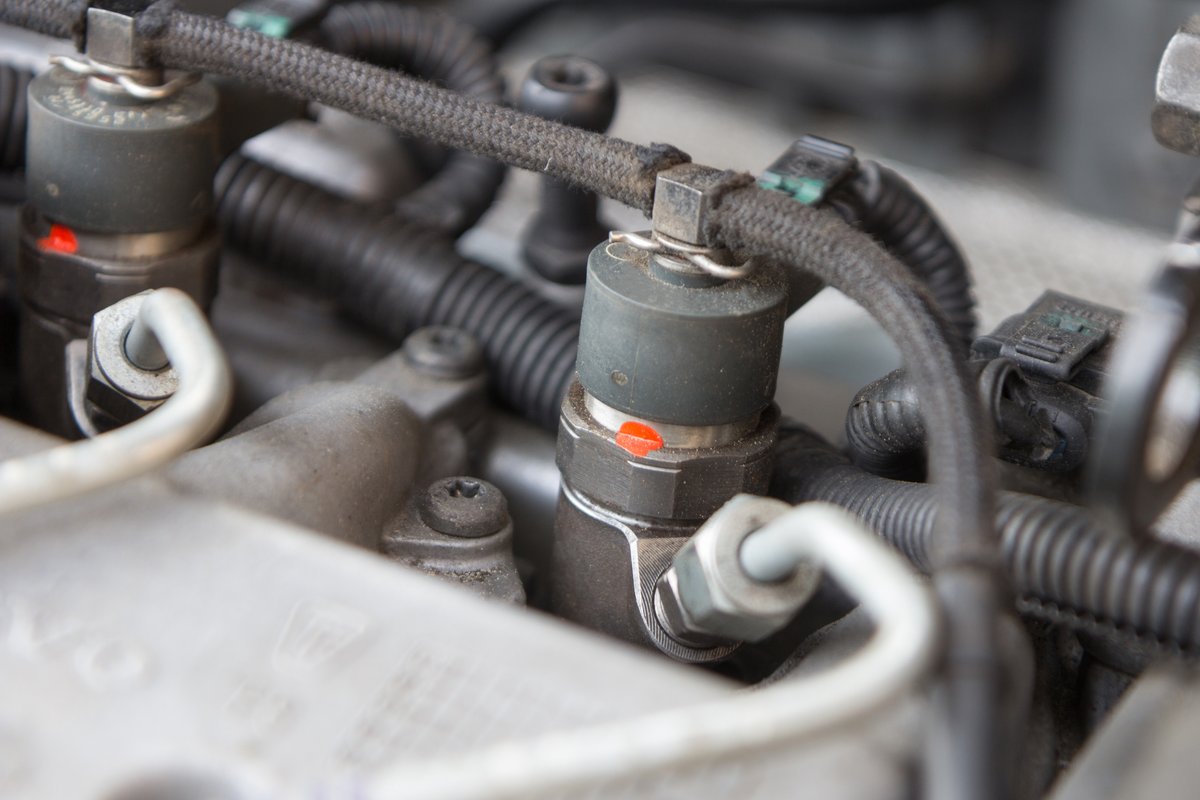
Fuel System Cleaning: Restore Lost Power and Efficiency
Carbon and varnish build up on injectors and intake valves so gradually that most drivers never notice what they have lost.
Carbon and varnish build up on injectors and intake valves so gradually that most drivers never notice what they have lost.
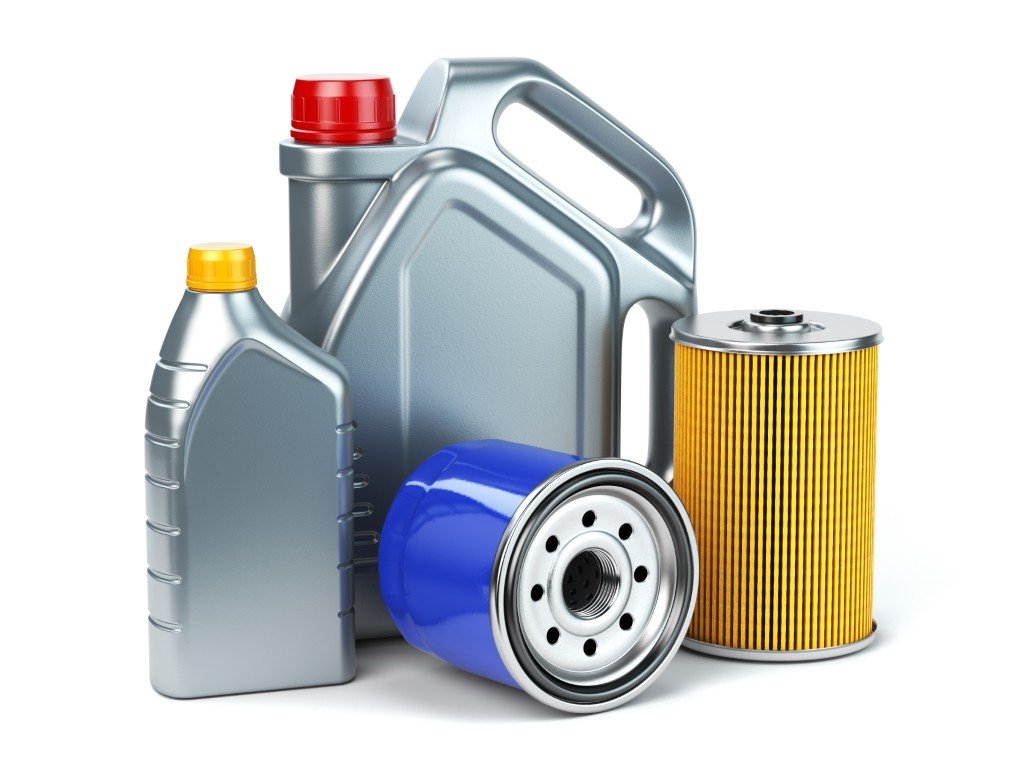
Conventional, blend, or full synthetic? The most important rule is using the type and viscosity your manufacturer specifies.
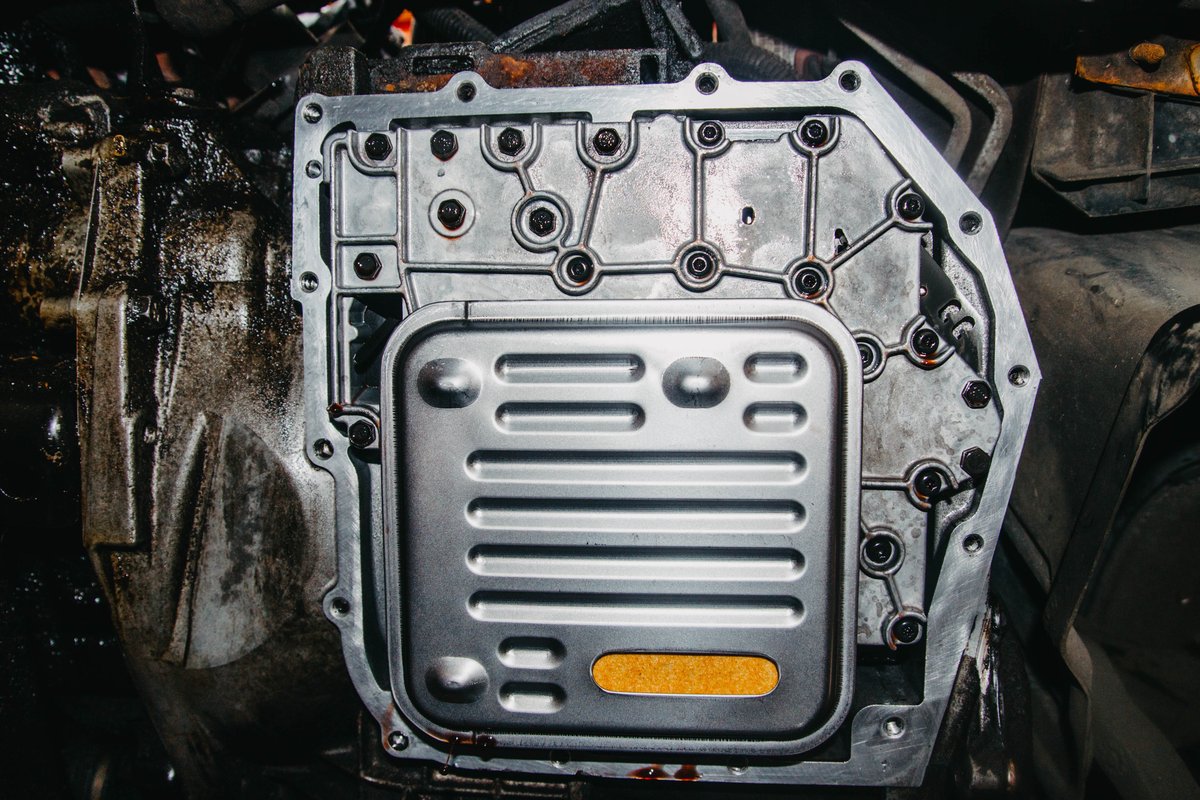
Heat is your transmission’s biggest enemy, and it quietly breaks down the fluid that keeps everything shifting smoothly.

Glass expands and contracts with temperature, and summer creates dramatic swings. That stress concentrates right around an existing chip.

Towing puts a very different demand on your engine, transmission, brakes, and cooling system. A little prep beats a breakdown with a boat behind you.

A kit in the trunk will not prevent every problem, but it turns a stressful roadside situation into a manageable one.

A seller will not always volunteer what is wrong, and some problems are invisible without a lift and trained eyes. Spend a little now, avoid a costly mistake later.
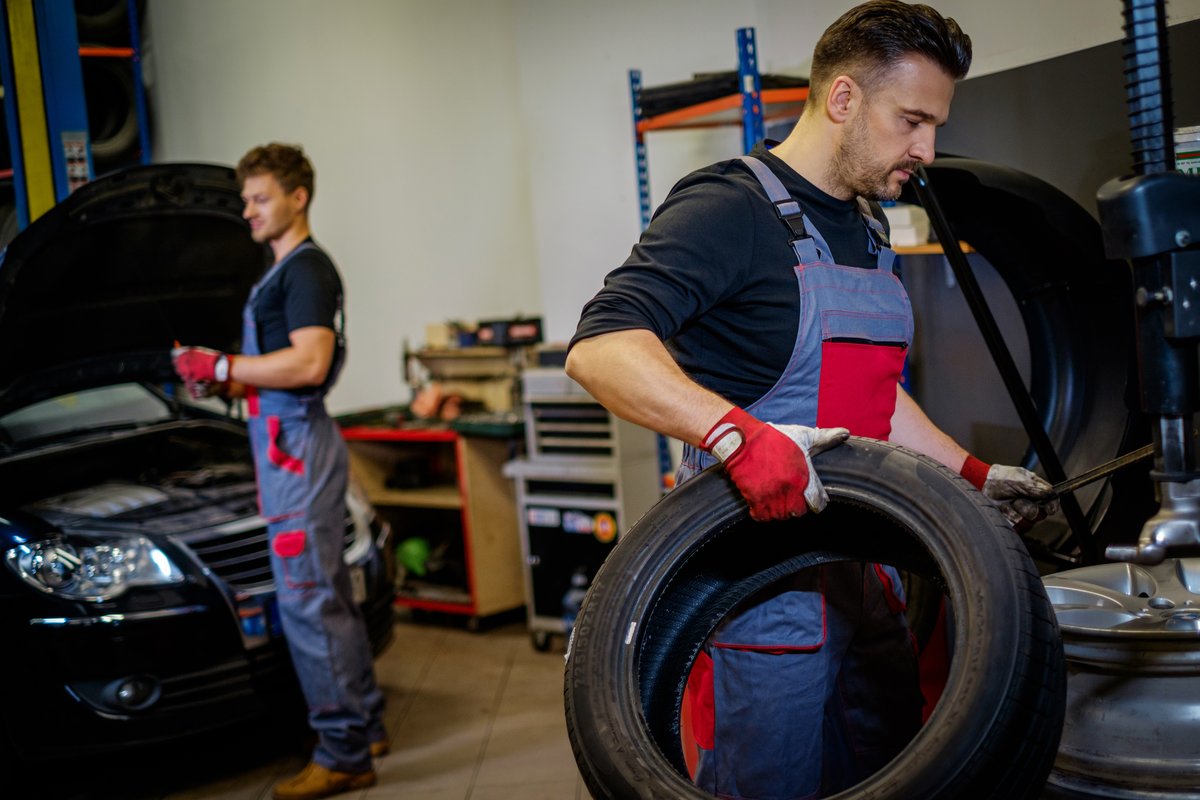
Your tires do not all wear at the same rate. Rotating every five to seven thousand miles evens that out and buys you real mileage.
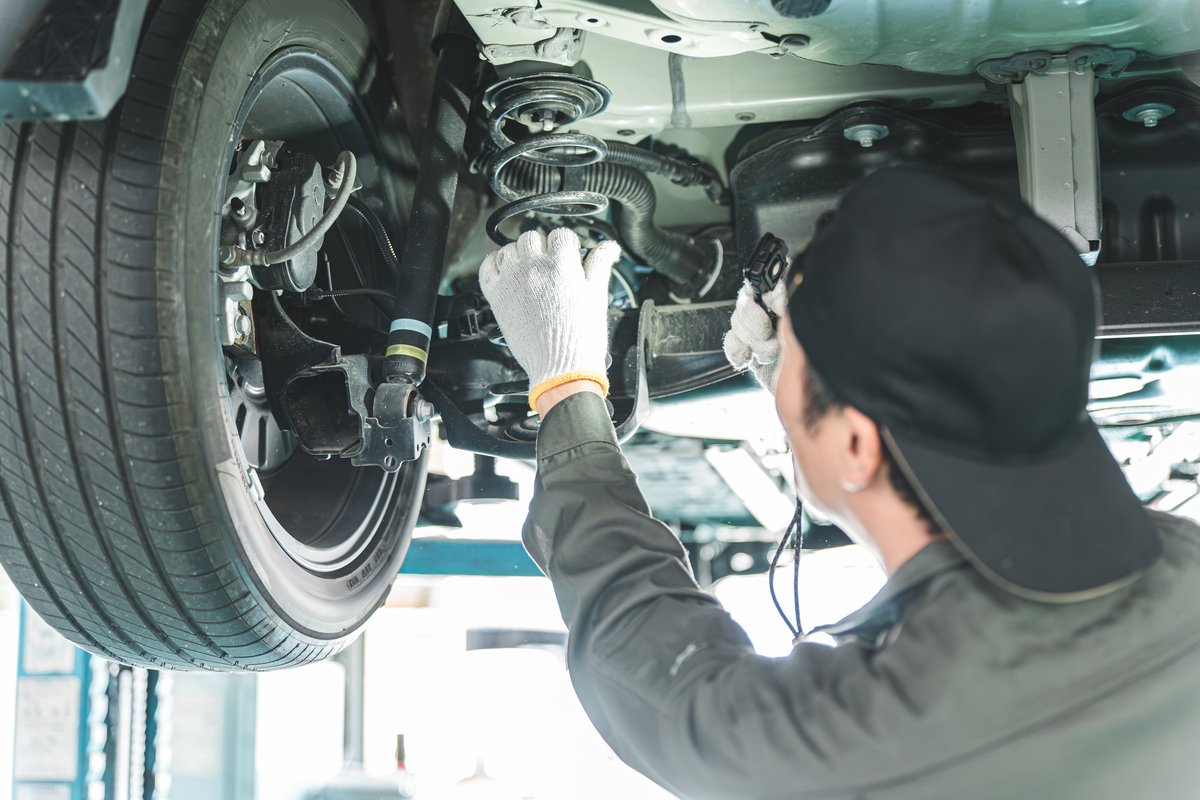
Worn shocks and struts do more than make the ride rough. They lengthen your stopping distance and eat your tires.
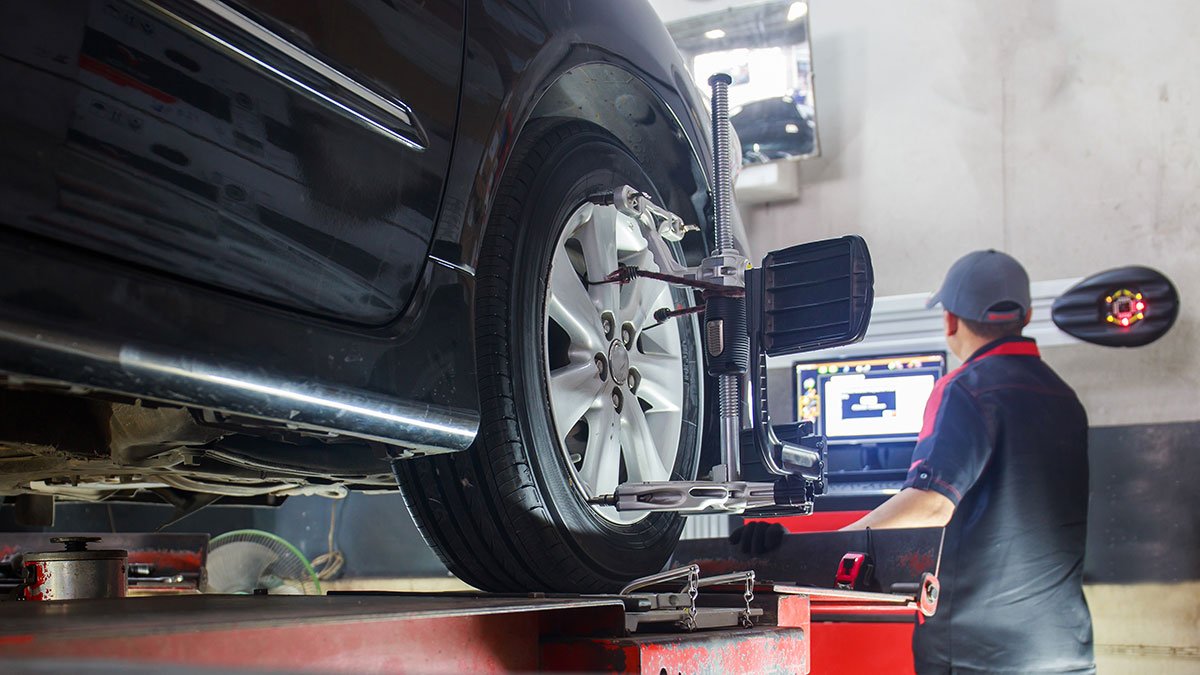
A crooked steering wheel or a drift in the lane costs you tires, fuel, and control. An alignment is a straightforward, affordable fix.