Handing Over the Keys: A Car Checklist for Parents of New Teen Drivers
Before your teen starts driving on their own, make sure the car is ready. A simple safety checklist for Franklin parents from Franklin Automotive.
Before your teen starts driving on their own, make sure the car is ready. A simple safety checklist for Franklin parents from Franklin Automotive.

One oil light means schedule service soon. The other means pull over now. How to tell them apart, from Franklin Automotive in Franklin, TN.
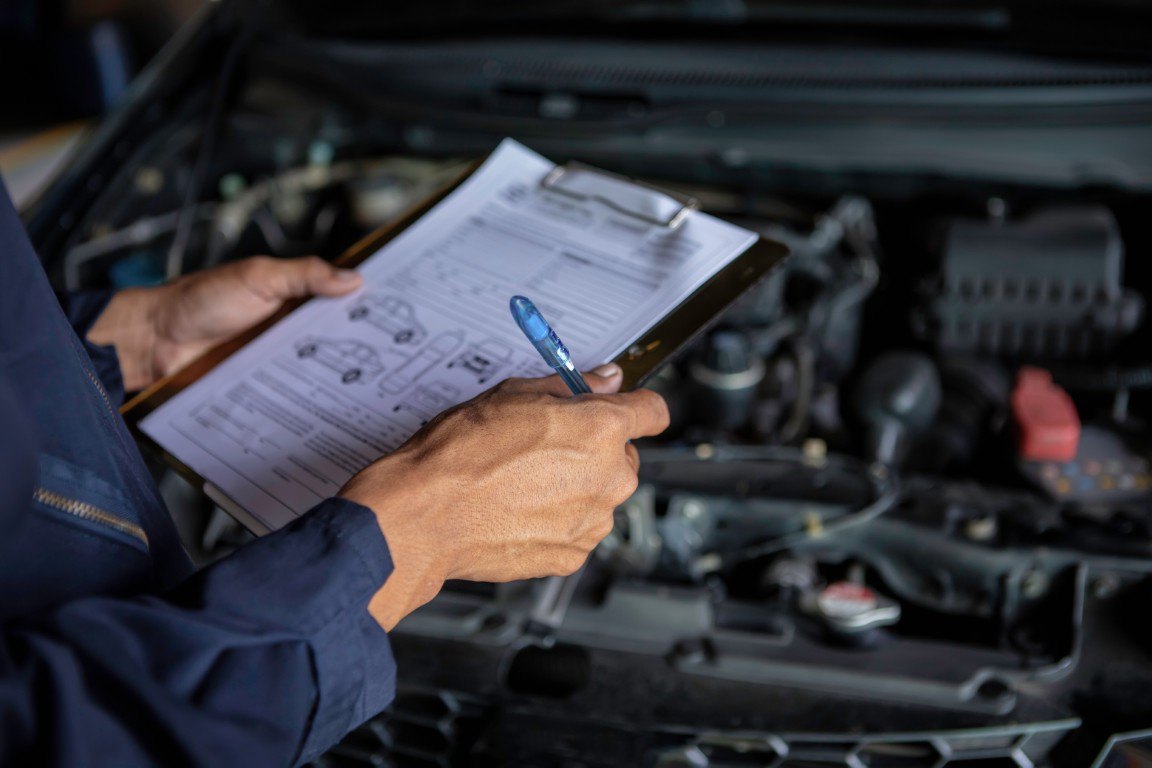
Got a big repair quote? Here’s why getting a second opinion makes sense and what to look for when comparing estimates, from Franklin Automotive.
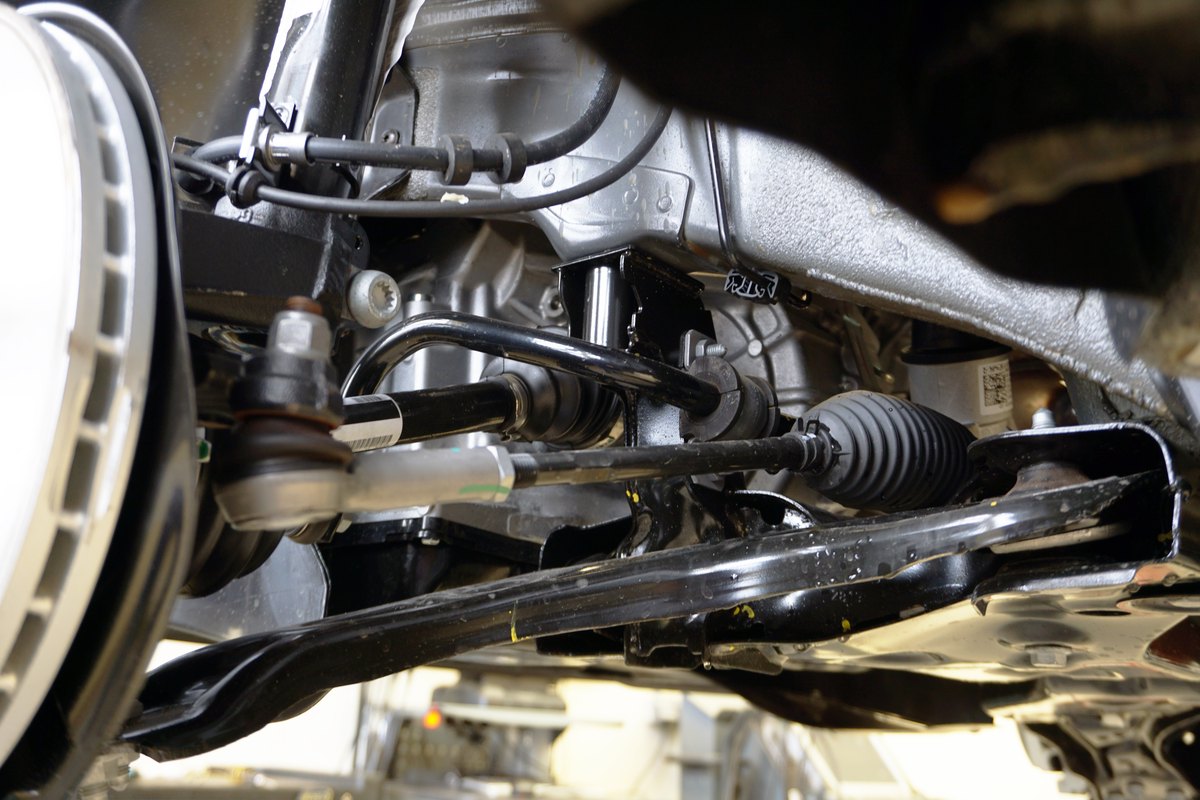
A whine or groan when turning the steering wheel often points to the power steering system. What causes it and what to do, from Franklin Automotive.
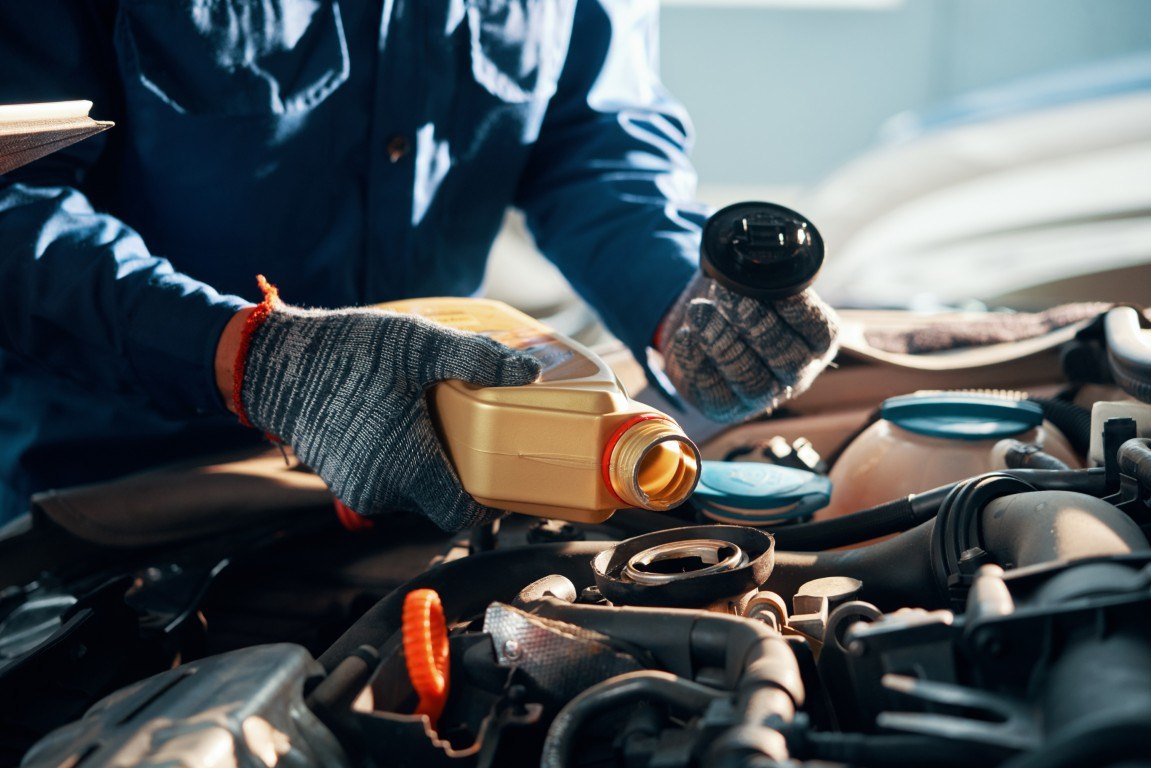
Confused about oil types? A plain-language guide to conventional, synthetic blend and full synthetic oil from Franklin Automotive in Franklin, TN.
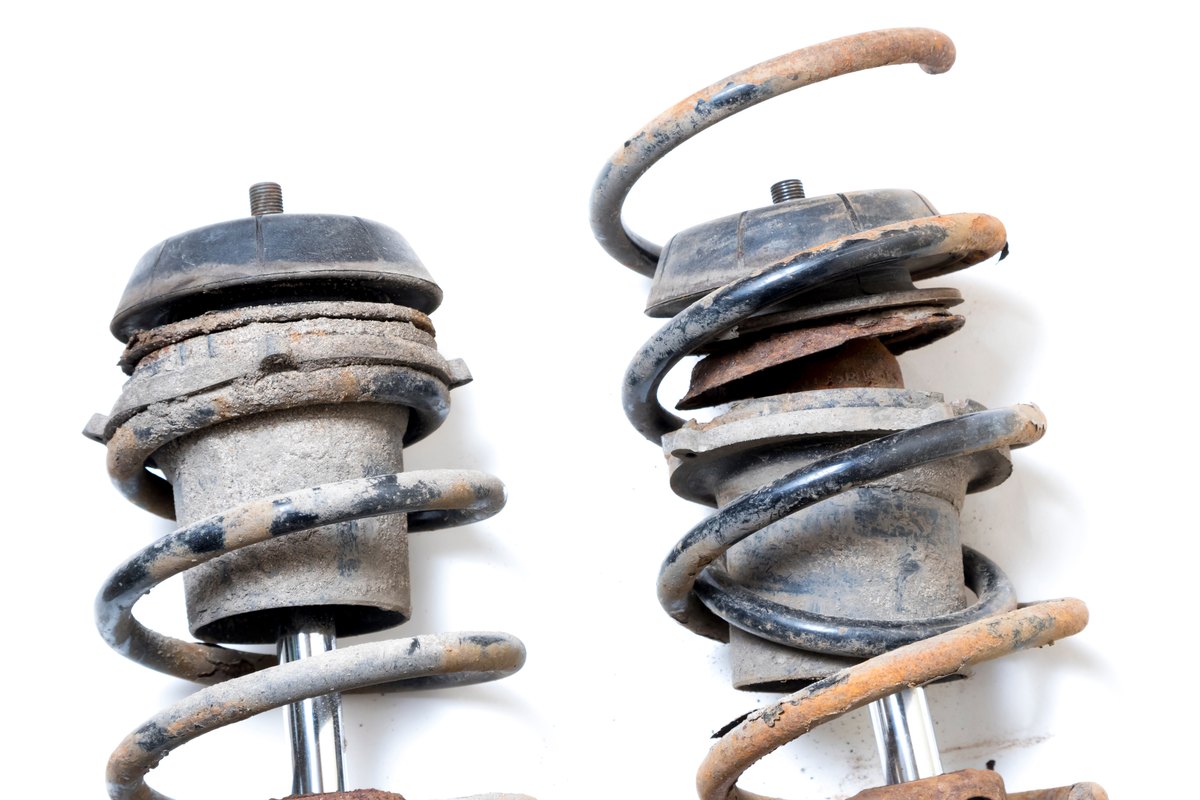
Worn shocks and struts affect comfort, braking and tire life. Simple signs to watch for, from family-owned Franklin Automotive in Franklin, TN.
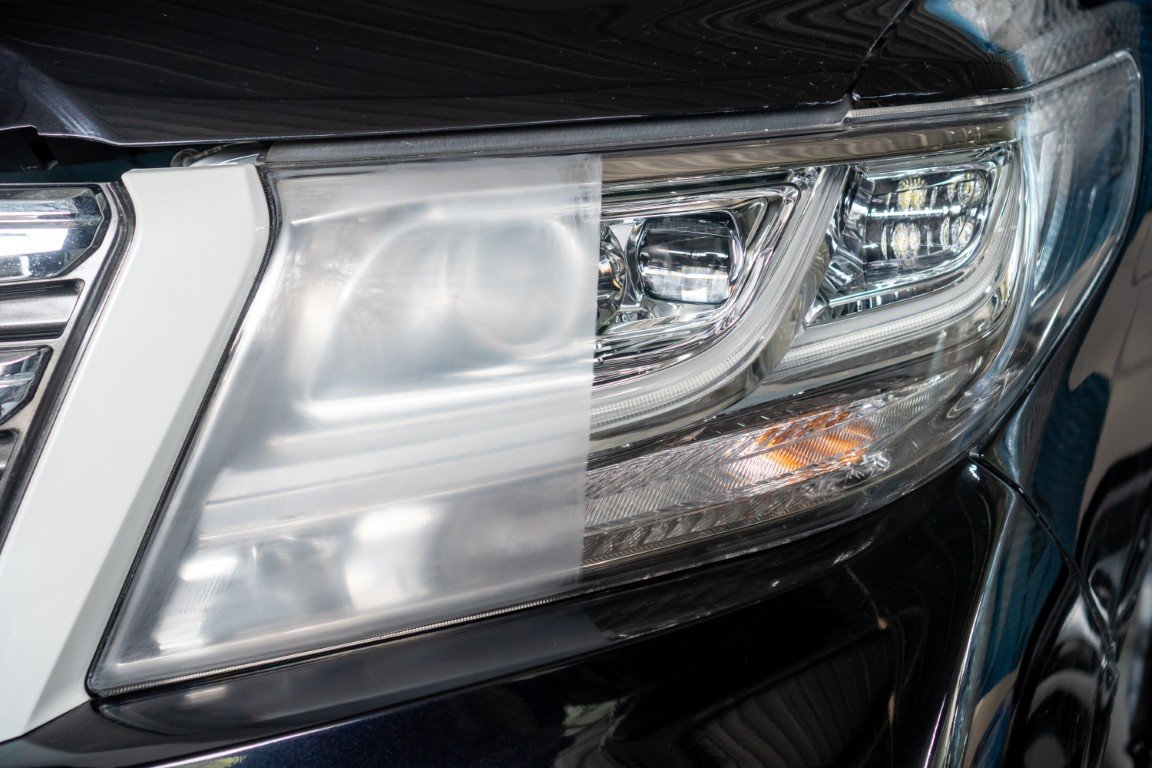
Cloudy lenses scatter and block your light, cutting nighttime visibility significantly. Restoration usually beats replacement on cost.

A well-cared-for vehicle can easily pass two hundred thousand miles. The key is maintenance tailored to what an older car actually needs.
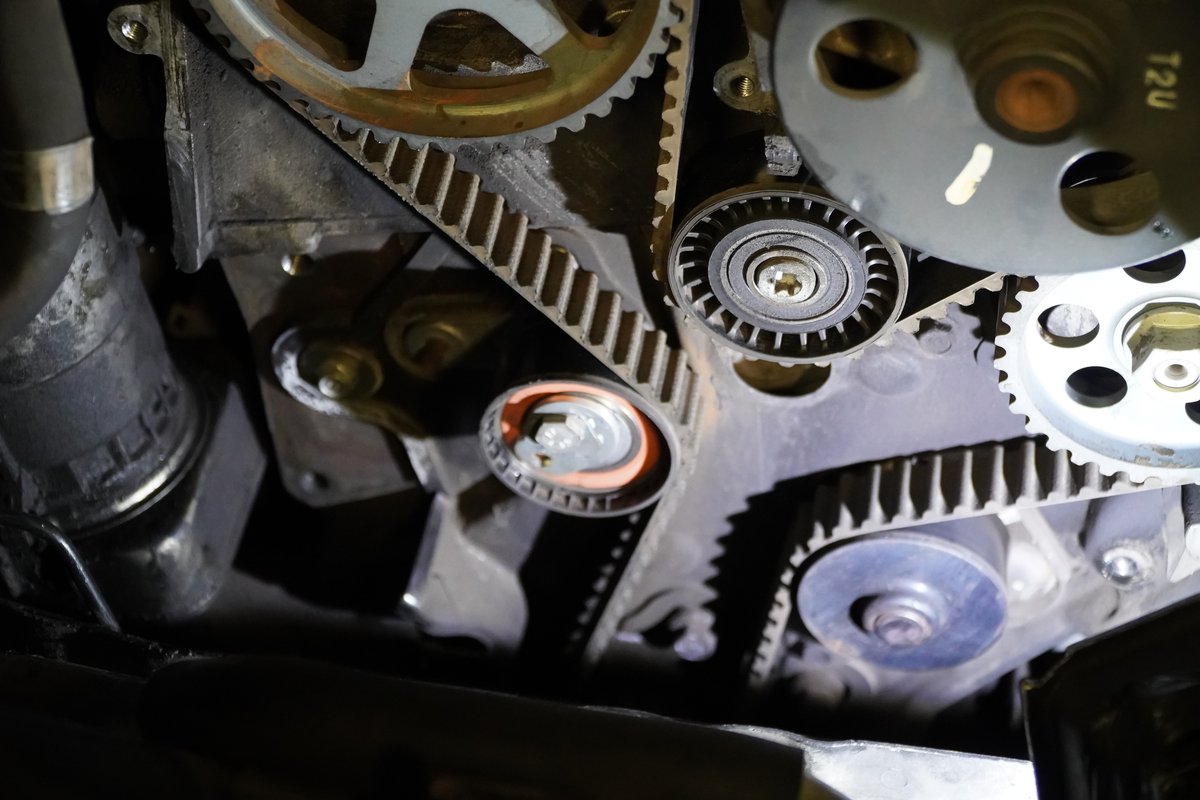
A timing belt usually gives little to no warning before it fails, and in many engines a failure means severe internal damage.
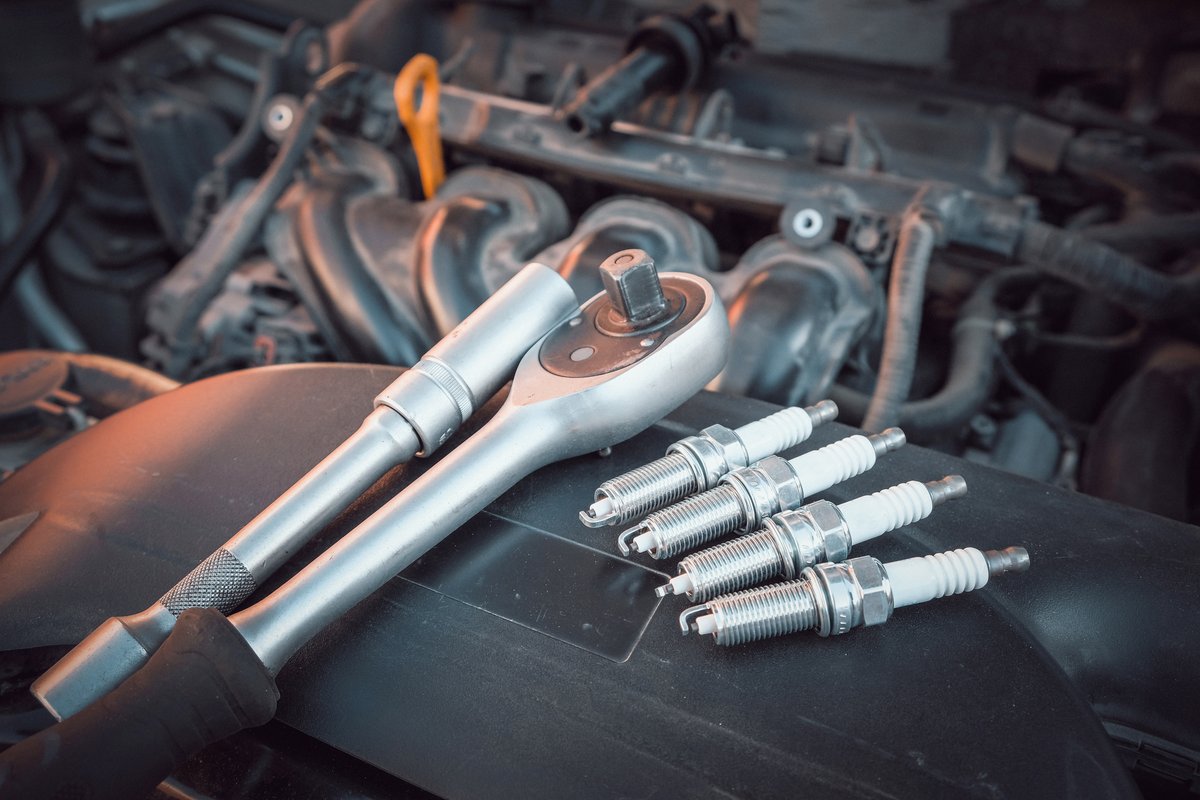
Spark plugs wear so gradually that you get used to the decline, until a fresh set reminds you how your engine is supposed to run.