
Cold weather reduces battery output while engines require more power to start, which is why car batteries fail more often in winter. Many Franklin drivers notice slow starts or no-start situations during January as temperatures drop. Cold temperatures slow the chemical reactions inside your vehicle’s battery, reducing the power available to start the engine.
Signs of a weak car battery in winter
A failing battery often shows warning signs before it stops working completely. Common symptoms include:
- Slow or delayed engine cranking
- Dim headlights or interior lights
- Electronics behaving inconsistently or resetting
Even batteries that performed normally during warmer months can struggle or fail once colder winter temperatures set in.
How to prevent winter battery problems
One of the best ways to avoid a winter no-start is to stay ahead of battery issues before extreme cold hits.
- Have your battery tested before winter. A professional battery test can identify weak or failing batteries early, helping you avoid getting stranded on a cold morning.
- Turn off electronics before shutting off the engine. Headlights, heaters, and infotainment systems draw power during startup and can put extra strain on an already weakened battery.
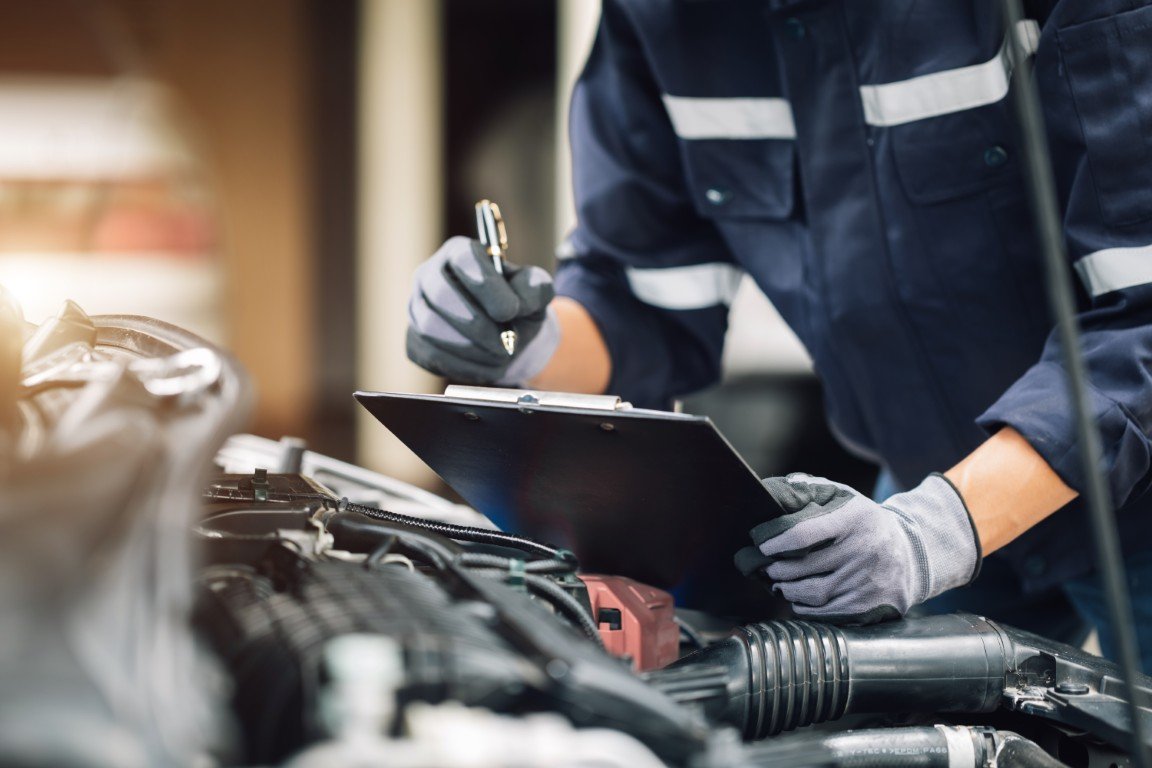
If your vehicle is slow to start or you want peace of mind heading into winter, stop by Franklin Automotive for a professional battery test and inspection. Catching a weak battery early can save you time, stress, and the inconvenience of an unexpected tow.